Your basket is empty
Already have an account? Log in to check out faster.
Already have an account? Log in to check out faster.

When it comes to children's snacks, many parents focus primarily on nutrition, choosing options that provide vitamins, minerals, and sustained energy. But not all nutritious snacks are created equal when it comes to dental health. Some seemingly healthy choices, like dried fruit or granola bars, can actually contribute to cavities and tooth decay despite their nutritional benefits.
The good news? Plenty of delicious, kid-friendly snacks support both overall health and dental health. Understanding which foods protect teeth while nourishing growing bodies helps parents make choices that benefit children in multiple ways.
Before diving into specific snack recommendations, it's helpful to understand what makes certain foods better for dental health than others.
Tooth-friendly snacks typically share several characteristics. They don't cling to teeth or get stuck in grooves where bacteria can feed on them for extended periods. They don't contain high amounts of sugar or acids that erode enamel. Many actually stimulate saliva production, which helps wash away food particles and neutralize acids in the mouth.
The best snacks for dental health often have some crunch, requiring chewing that naturally cleans teeth while strengthening jaw muscles. They provide nutrients like calcium, phosphorus, and vitamin D that support strong tooth enamel development, particularly important while permanent teeth are forming beneath baby teeth.
With these principles in mind, here are five excellent snack choices that children actually enjoy eating while supporting their dental health.
Cheese is one of the best foods for dental health, making it an ideal snack for children. When kids eat cheese, it raises the pH level in their mouths, reducing acid that can erode enamel. Cheese also contains calcium and phosphorus, minerals that strengthen tooth enamel and support overall dental health.
The act of chewing cheese stimulates saliva production, which helps wash away food particles and neutralize acids. Some research suggests that cheese may even form a protective film over teeth, providing temporary protection against acid attacks.
Pair cheese with whole grain crackers rather than refined white crackers for added nutritional benefits. Whole grains provide B vitamins, iron, and fiber that support overall health. The crackers' mild abrasiveness can help clean tooth surfaces while children chew.
For picky eaters, try different cheese varieties to find options they enjoy. String cheese, cheese cubes, sliced cheddar, or mild mozzarella all provide the same dental benefits. Make it fun by cutting cheese into shapes or creating simple patterns with crackers and cheese on a plate.
Raw vegetables are dental health superstars. Crunchy vegetables like carrots, celery, bell peppers, and cucumber require significant chewing, which stimulates saliva production and provides a natural cleaning action for teeth. The fibrous texture helps scrub tooth surfaces while children eat, almost like edible toothbrushes.
These vegetables are also high in water content, which dilutes sugars and acids while helping to wash away food particles. They provide essential vitamins and minerals including vitamin A (important for healthy tooth enamel), vitamin C (supports healthy gums), and various B vitamins.
Pairing vegetables with hummus adds protein, healthy fats, and additional nutrients while making vegetables more appealing to children who might otherwise resist eating them plain. Hummus provides calcium from the tahini and protein from chickpeas, both beneficial for dental and overall health.
Create a colorful veggie platter with a variety of options. Bell peppers in different colors, carrot sticks, celery, cucumber slices, and snap peas offer visual appeal and different textures that keep snack time interesting. Let children help prepare vegetables or arrange them on the plate to increase their interest in eating them.
For children who initially resist raw vegetables, start with small portions alongside familiar foods. Gradually increase vegetable portions as they become accustomed to the taste and texture. Some children prefer vegetables cut into specific shapes, while others like them presented as "dippers" for hummus.
While fruits contain natural sugars, some varieties are particularly good choices for dental health when eaten fresh and whole rather than dried or juiced. Apples and pears top the list of tooth-friendly fruits.
These fruits are high in water and fiber, requiring significant chewing that stimulates saliva production. The act of biting and chewing apples or pears provides natural cleaning action for teeth. Their crisp texture helps remove plaque and food particles while their high water content dilutes sugars and helps rinse the mouth.
Apples and pears also contain various vitamins and minerals that support overall health, including vitamin C, which is important for healthy gum tissue. The fiber in these fruits supports digestive health and provides sustained energy without blood sugar spikes.
Choose whole, fresh apples and pears rather than applesauce or dried fruit. Applesauce lacks the fibrous texture that provides dental benefits, while dried fruit is sticky and high in concentrated sugars that cling to teeth. Fresh fruit provides maximum dental and nutritional benefits.
Serve apple or pear slices with the skin on when appropriate for your child's age and chewing ability. The skin contains additional fiber and nutrients. For younger children still developing chewing skills, slice fruits thinly and supervise during eating to prevent choking hazards.
After eating apples or pears, encourage children to drink water to help rinse away fruit sugars. While these fruits are tooth-friendly compared to many other snack options, they still contain natural sugars that feed bacteria if left on teeth for extended periods.
Yogurt, particularly plain varieties without added sugars, provides excellent dental health benefits. It's rich in calcium and protein, both essential for strong teeth and bones. Yogurt also contains probiotics, beneficial bacteria that may help reduce harmful bacteria in the mouth that contribute to cavities and gum disease.
The probiotics in yogurt can help balance the oral microbiome, potentially reducing the bacteria that cause tooth decay and bad breath. Some research suggests that regular consumption of probiotic-rich foods like yogurt may help prevent cavities, though more studies are needed to confirm these benefits.
Choose plain yogurt and add fresh berries for natural sweetness rather than buying pre-sweetened varieties that contain high amounts of added sugar. Blueberries, strawberries, and raspberries provide antioxidants, vitamins, and fiber while adding flavor and visual appeal that children enjoy.
Greek yogurt provides even more protein than regular yogurt, helping children feel satisfied longer and reducing the likelihood of constant snacking throughout the day. Frequent snacking creates more opportunities for acid attacks on teeth, so satisfying snacks that keep children full between meals support better dental health.
For children who find plain yogurt too tart, gradually reduce sweetness over time. Start by mixing half plain yogurt with half of their usual sweetened variety, then slowly increase the proportion of plain yogurt. Eventually, most children adapt to the taste, especially when fresh fruit provides natural sweetness.
Consider letting children help prepare their yogurt snacks by choosing which berries to add or stirring in the fruit themselves. This involvement often increases their willingness to eat and enjoy nutritious snacks.
For children old enough to safely chew nuts (typically age four and older, though this varies by child), nuts and seeds provide excellent nutrition and dental health benefits. Almonds, cashews, walnuts, and sunflower seeds are all good choices.
Nuts are low in sugar and high in protein, healthy fats, calcium, and phosphorus, all of which support strong teeth and bones. The chewing required to eat nuts stimulates saliva production and helps clean teeth. Their neutral pH doesn't contribute to the acid environment that promotes tooth decay.
The protein and healthy fats in nuts help children feel satisfied, reducing constant snacking and grazing that creates frequent opportunities for cavity-causing bacteria to feed on sugars and produce acids. Stable blood sugar from protein and fat consumption also supports better overall health and sustained energy.
Choose raw or dry-roasted nuts without added sugars or honey coatings. Avoid chocolate-covered or candy-coated nuts, which negate the dental health benefits. Plain nuts provide maximum nutritional and dental benefits.
For younger children not ready for whole nuts, seed butters (like sunflower seed butter) spread on apple slices or whole grain crackers provide similar nutritional benefits in an age-appropriate format. As children develop better chewing skills, introduce finely chopped nuts before progressing to whole nuts.
Always supervise young children eating nuts and be aware of potential allergies. Introduce new nuts one at a time and watch for any allergic reactions. If your child has nut allergies, seeds like sunflower seeds or pumpkin seeds can provide similar benefits.
Beyond choosing tooth-friendly foods, how and when children snack affects their dental health. Constant grazing throughout the day creates continuous opportunities for acid attacks on teeth. Limiting snacks to specific times rather than allowing all-day grazing gives teeth recovery time between eating occasions.
Encourage children to drink water after snacking to help rinse away food particles and neutralize acids. Water is the most tooth-friendly beverage and should be the primary drink between meals. Save milk for mealtimes when its calcium benefits can be maximized while teeth are already exposed to food.
Avoid sticky snacks that cling to teeth even when they seem healthy. Dried fruit, fruit leather, gummy vitamins, and chewy granola bars all tend to stick in tooth grooves where bacteria can feed on them for extended periods. If children do eat sticky foods occasionally, encourage brushing soon afterward or at minimum rinsing thoroughly with water.
Time snacks strategically around tooth brushing schedules. If children brush their teeth after breakfast and before bed, mid-morning and mid-afternoon snacks create the least opportunity for prolonged acid exposure. Avoid snacks right before bedtime after teeth have been brushed, as overnight is when teeth are most vulnerable with reduced saliva production during sleep.
As children grow, involve them in understanding why certain snacks are better choices for their teeth. Age-appropriate education about dental health helps children begin making their own smart choices as they gain independence.
Explain in simple terms that some foods help teeth stay strong while others can hurt teeth over time. Use positive language focusing on foods that "help" teeth rather than creating fear about foods that "hurt" teeth. Frame healthy choices as empowering rather than restrictive.
When celebrating tooth fairy visits for lost baby teeth, use these moments to discuss how taking care of teeth, including choosing healthy snacks, helps new permanent teeth stay strong and healthy. These natural conversation opportunities make dental health education feel relevant rather than preachy.
Model good snacking habits yourself. Children learn more from what they see adults do than from what adults say. When you consistently choose tooth-friendly snacks and limit sugary treats, children internalize these patterns as normal rather than feeling deprived.
Additional Resources
For more information about children's dental health and nutrition:
Choosing snacks that support dental health doesn't mean eliminating all treats or making children feel deprived. It means being intentional about everyday snack choices, saving higher-sugar treats for occasional special occasions, and helping children develop tastes for foods that nourish both their bodies and their teeth. These five snack categories provide excellent starting points for building a tooth-friendly snacking routine that children actually enjoy.
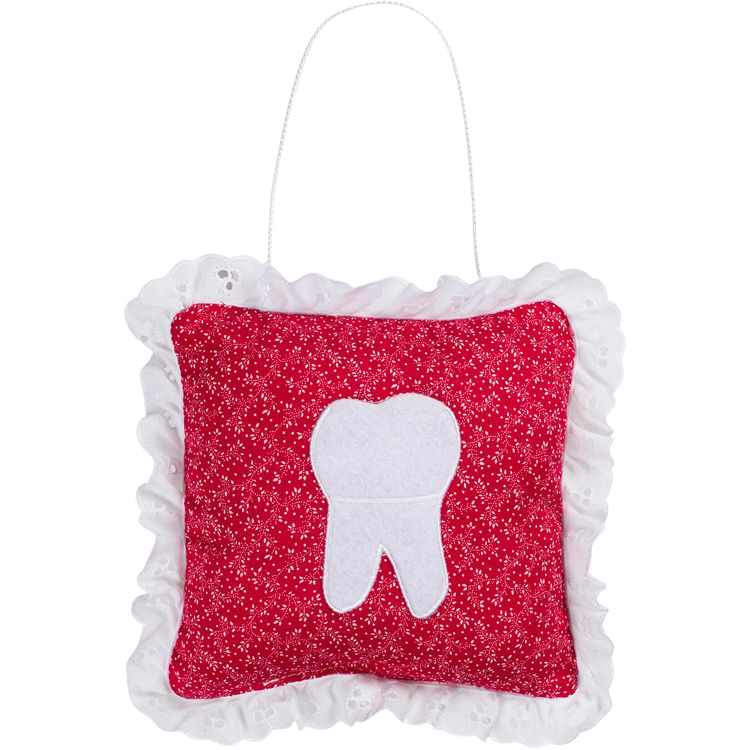
Looking to make dental milestones like losing baby teeth more exciting? Our tooth fairy pillows create special traditions around these important moments, helping children feel celebrated as they grow. When children feel positive about dental health and growing up, they're more motivated to make choices that keep their teeth healthy and strong.