Your basket is empty
Already have an account? Log in to check out faster.
Already have an account? Log in to check out faster.

"But she doesn't even understand the words yet."
"He just tries to eat the book."
"She won't sit still for more than thirty seconds."
These are common concerns parents express about reading to babies and very young toddlers. It can feel pointless to read to a six-month-old who grabs at pages, mouths the corners, and seems more interested in the book as an object than as a story. But here's what many parents don't realize: enormous developmental benefits are happening during these seemingly chaotic early reading sessions, long before children understand a single word.
The research is clear and compelling. Reading to babies and toddlers creates measurable differences in brain development, language acquisition, and school readiness. Children who are read to regularly from infancy enter kindergarten with significantly larger vocabularies, stronger pre-literacy skills, and better ability to focus and learn than children who don't experience early reading.
But the benefits extend far beyond academics. Early reading builds emotional bonds, creates positive associations with books and learning, and establishes patterns that influence children's relationship with reading throughout their entire lives.
Even when babies seem completely disengaged, their brains are actively processing the experience of being read to. Brain imaging studies show that reading aloud to infants and toddlers activates areas of the brain associated with language comprehension, mental imagery, and narrative understanding.
During the first three years of life, children's brains form more than one million neural connections every second. These connections are built through experiences, and reading provides rich, multisensory experiences that create strong, complex neural pathways. When you read to a baby, you're literally helping build the architecture of their developing brain.
Babies are absorbing patterns of language long before they can speak. They're learning that sounds form words, words form sentences, and sentences convey meaning. They're internalizing the rhythm and melody of language, which forms the foundation for later speech development.
Research from the American Academy of Pediatrics shows that the number of words children hear directly correlates with later language development and academic success. Reading aloud exposes babies to far more words and more diverse vocabulary than everyday conversation typically provides.
Even board books for babies contain words and sentence structures that don't come up in daily routines. "The chipmunk scurried through the canyon" introduces vocabulary and grammar that a baby won't hear while you're changing diapers or preparing bottles. This expanded language exposure builds neural pathways that support all future learning.
The period from birth to age three represents a critical window for language development. During these years, children's brains are uniquely primed to absorb language with an ease they'll never experience again. Missing this window doesn't mean children can't learn language later, but it does mean they'll need to work harder to achieve the same results.
The now-famous "30 Million Word Gap" research revealed that children from language-rich environments hear approximately 30 million more words by age three than children from language-poor environments. This gap creates measurable differences in vocabulary size, reading comprehension, and academic achievement that persist throughout schooling.
Reading to babies and toddlers helps close this gap regardless of family circumstances. Books provide structured, rich language input that supplements everyday conversation. Even families who talk constantly with their children throughout the day boost language exposure significantly by adding regular reading sessions.
The vocabulary in children's books is typically more diverse and complex than conversational language. Picture books introduce words for objects, actions, and concepts that might not come up in daily life, especially for babies who spend most of their time in home environments with limited variety.
Long before children learn to read independently, they're developing critical pre-literacy skills that determine how easily they'll learn to decode words later. Reading to babies and toddlers builds these foundational skills naturally and enjoyably.
Print awareness develops when babies and toddlers are exposed to books regularly. They learn that books open a certain way, that pages turn in sequence, and that pictures and text work together to tell stories. These concepts seem obvious to adults but must be learned through experience.
Phonological awareness, the ability to hear and manipulate sounds in words, begins developing through exposure to language patterns in books. Rhyming books, books with alliteration, and books with rhythmic language build these critical skills that later support phonics instruction and reading development.
Babies and toddlers exposed to books develop understanding that symbols (letters and words) represent meaning. This symbolic thinking is fundamental not just for reading but for all abstract reasoning. When toddlers begin recognizing that specific letter combinations on pages correspond to specific words and meanings, they're developing cognitive abilities that extend far beyond literacy.
Comprehension skills also begin developing long before independent reading. When you read "A New Home for Timothy Acorn" to a toddler and ask simple questions like "Where is Timothy?" you're teaching that stories convey meaning and that we can think about and discuss that meaning.
Beyond cognitive benefits, reading to babies and toddlers creates powerful emotional connections that shape children's sense of security and attachment. The physical closeness of reading together, combined with the focused attention and gentle interaction, communicates love in ways babies understand even before they comprehend words.
Reading provides structured one-on-one time that many busy parents struggle to create otherwise. In households with multiple children or demanding schedules, the few minutes spent reading to a baby might be the only time that child receives completely undivided attention that day.
This focused attention tells babies they're valued and important. The message isn't conveyed through words but through the act of stopping everything else to be fully present with them. This builds the secure attachment that supports all future emotional development and relationship building.
The routine and predictability of regular reading times also provide comfort for babies and toddlers. In a world where so much feels unpredictable and confusing, the familiar ritual of story time offers security and structure that young children crave.
Many families incorporate reading into bedtime routines, using books to create calm transitions to sleep. This association between reading and comfort often persists throughout childhood and even into adulthood, with many people finding reading inherently soothing because of these early positive associations.
Parents sometimes hesitate to read to newborns and young babies because it feels awkward or pointless. But starting early establishes routines and builds habits for both parents and babies.
For newborns and babies under six months, reading is primarily about exposure to language and bonding rather than engagement with specific content. Choose books with high contrast images, simple pictures, or interesting textures. The content matters less than the experience of being held, hearing your voice, and being exposed to the rhythms of language.
Board books work well for this age because they're durable enough to withstand chewing, throwing, and other exploration that has nothing to do with reading. Don't worry if your baby seems more interested in eating the book than listening to the story. They're still benefiting from the experience.
Keep early reading sessions short, maybe just a few minutes. You're not trying to finish entire books necessarily, just providing regular exposure to books and language. If your baby loses interest after one page, that's fine. Those sixty seconds still provided valuable language input and bonding time.
Talk about the pictures even if the baby isn't looking at them. "Look at the blue bird! The bird says tweet tweet." This narration provides language exposure while modeling the kind of engagement with books you want to cultivate.
As babies grow into toddlers and begin understanding more language, reading sessions become more interactive. Toddlers might point to pictures, attempt to turn pages, or even start "reading" favorite books themselves by reciting memorized phrases.
This is when interactive reading techniques become particularly powerful. Ask simple questions: "Where's the chipmunk?" Encourage pointing and labeling: "Can you point to Timothy?" Let toddlers turn pages themselves even if they do it clumsily or out of order.
Toddlers often want the same books repeatedly, sometimes requesting the same story multiple times in one sitting. This repetition isn't boring to them. It's exactly what their developing brains need. Each reading reinforces vocabulary, strengthens memory, and builds familiarity that supports comprehension. Reading the same book over and over provides tremendous developmental benefits even when it feels tedious to adults.
Let toddlers hold books, carry them around, and keep favorites nearby. Books should feel like beloved possessions, not special objects only brought out at specific times. When books are accessible and normalized as everyday objects, children develop ownership of reading as part of their lives.
The best books for very young children share certain characteristics. They have simple, clear illustrations that aren't visually overwhelming. They use repetitive language patterns that help babies internalize language structures. They're durable enough to withstand rough handling.
Board books remain ideal throughout toddlerhood because they hold up to enthusiastic page turning, throwing, and yes, occasional chewing. The sturdy pages also make it easier for toddlers to turn pages themselves, building fine motor skills alongside literacy skills.
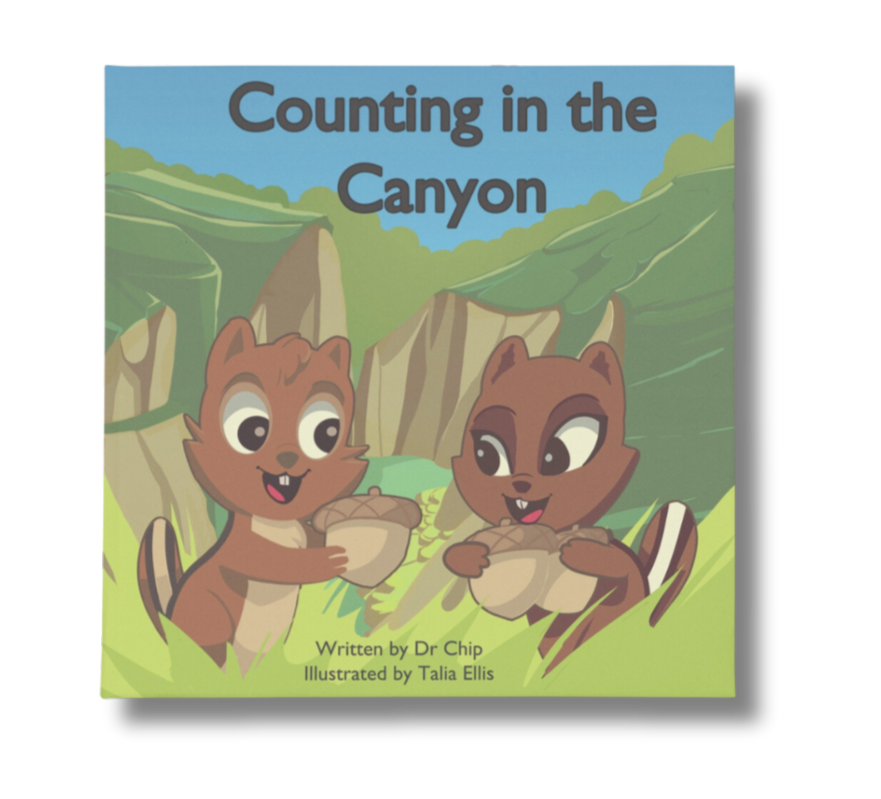
Books with rhythmic, rhyming text or repetitive phrases are particularly beneficial for language development. "Counting in the Canyon" offers repetitive counting patterns that toddlers can anticipate and eventually participate in, building both number sense and language skills.
Choose some books with simple stories and others that focus primarily on labeling objects or concepts. Both types serve important purposes. Story books build narrative understanding while concept books build vocabulary for specific categories like animals, colors, or numbers.
Don't avoid books with more complex language thinking they're "too advanced" for babies and toddlers. Children benefit from exposure to language slightly above their current level. They'll absorb what they're ready for while being stretched toward new understanding.
The greatest benefits come from consistent reading rather than lengthy sessions. Even five minutes of reading daily provides more benefit than occasional hour-long reading marathons. Consistency matters more than duration.
Incorporate books into existing routines rather than trying to create entirely new dedicated reading times. Read during diaper changes, while waiting for meals, during bath time wind-down, or as part of wake-up routines. These small moments add up to significant language exposure.
Keep books accessible throughout your home. Board books in baskets within toddler reach, books near the changing table, books in the car, books in multiple rooms mean more opportunities for spontaneous reading moments.
Model your own reading when possible. When children see adults reading for pleasure, they internalize that reading is a valued, enjoyable activity rather than just something imposed on children.
Visit libraries regularly once children are old enough to enjoy the outing. Many libraries offer baby story times that introduce families to new books while providing social interaction with other families. The Los Angeles Public Library and San Diego Public Library systems both offer excellent programming for babies and toddlers throughout Southern California.
Not all babies take to reading immediately, and that's okay. Some babies are more physically active and struggle with the sitting required for reading. Others are highly distractible and have difficulty focusing on books.
If your baby resists traditional reading sessions, try different approaches. Read while your baby plays nearby, providing language exposure without requiring them to sit still. Read during feeding times when they're naturally calmer and more receptive. Use books with textures, flaps, or other interactive elements that engage active babies.
Keep sessions very short for resistant babies. Thirty seconds of engaged attention is better than five minutes of struggling. Gradually extend time as babies develop better focus and interest.
Try different times of day. Some babies are most receptive to reading first thing in the morning when they're alert and happy. Others prefer reading as part of evening wind-down.
Remember that preferences change. A baby who shows no interest at four months might suddenly love books at eight months. Keep offering exposure without pressure, and most children eventually develop interest.
The reading habits established in infancy and toddlerhood create trajectories that extend throughout childhood and beyond. Children who grow up with books become comfortable with reading as a natural part of life rather than viewing it as a skill they must struggle to acquire later.
The vocabulary advantage children gain from early reading creates a snowball effect. Children who enter kindergarten with larger vocabularies learn to read more easily, which gives them access to more complex texts, which further expands their vocabulary. This cycle continues throughout schooling.
Perhaps most importantly, early reading creates positive associations with books and learning that influence lifelong attitudes. Children who experience reading as a warm, loving, enjoyable activity with their caregivers develop intrinsic motivation for reading that supports them through later challenges.
Additional Resources
For more information about reading to babies and toddlers:
Reading to babies and toddlers might look simple, but it's one of the most powerful investments parents can make in children's futures. Those early moments with books, even when babies seem more interested in chewing pages than listening to stories, are building brain architecture, language skills, and emotional bonds that support all future learning and development.
Looking for beautiful, durable books perfect for babies and toddlers? "Counting in the Canyon" offers engaging repetition and rich illustrations that capture even young children's attention, while "A New Home for Timothy Acorn" provides gentle storytelling about emotions and change that resonate throughout early childhood. Both books work wonderfully for establishing early reading routines that benefit children for years to come.