Your basket is empty
Already have an account? Log in to check out faster.
Already have an account? Log in to check out faster.

Artificial intelligence can do remarkable things. It can generate text, create images, and even write stories that sound coherent and grammatically correct. But there's something AI fundamentally cannot do: it cannot draw from lived experience, feel genuine emotion, or create from a place of authentic human connection.
This distinction matters especially when it comes to children's literature. The stories we share with our children don't just entertain. They shape how kids understand themselves, process emotions, and make sense of the world. These stories require something that only human hearts can provide.
AI can string together words about a chipmunk finding a new home. It can describe a canyon, count objects, and structure a narrative that follows basic storytelling conventions. But it cannot write from the place where "A New Home for Timothy Acorn" actually came from: the lived understanding of what it feels like to lose something familiar and find courage to embrace change.
When a human author writes about Timothy's destroyed home and his journey to discover the Rolling Acorn Canyon, they're drawing from real experiences with loss, change, and adaptation. Maybe they've moved to a new city, lost a loved one, or watched their child struggle with a transition. These experiences, processed through years of reflection and filtered through empathy, inform how the story unfolds.
AI has no experiences. It has patterns in data, statistical relationships between words, and algorithms that predict what should come next. It can mimic the structure of emotional storytelling without ever having felt anything.
Children are remarkably perceptive. They might not be able to articulate why one book resonates deeply while another feels hollow, but they sense the difference between authentic emotion and manufactured sentiment.
A book written from genuine experience carries emotional truth that children recognize intuitively. When Timothy Acorn feels scared about his new environment, children connect with that fear because the author has channeled real understanding of fear, their own or someone they love. This emotional authenticity creates space for children to process their own feelings through the story.
AI-generated stories lack this emotional depth because AI has never been scared, never felt the relief of finding safety after uncertainty, never experienced the bittersweet mixture of sadness and hope that comes with major life changes. It can describe these feelings using words it has learned from human writing, but it cannot infuse those descriptions with the subtle emotional truth that makes stories resonate.
The stories that stay with us from childhood, the ones we remember decades later and eventually read to our own children, are almost always stories written by humans who cared deeply about what they were creating. They poured their hearts into these books, drawing from their own childhoods, their experiences as parents, or their observations of children they love.
Creating authentic children's literature requires deep observation of actual children: how they think, what they notice, what confuses or delights them. Authors of beloved children's books spend time watching children interact with the world, listening to their questions, and noticing what captures their attention.
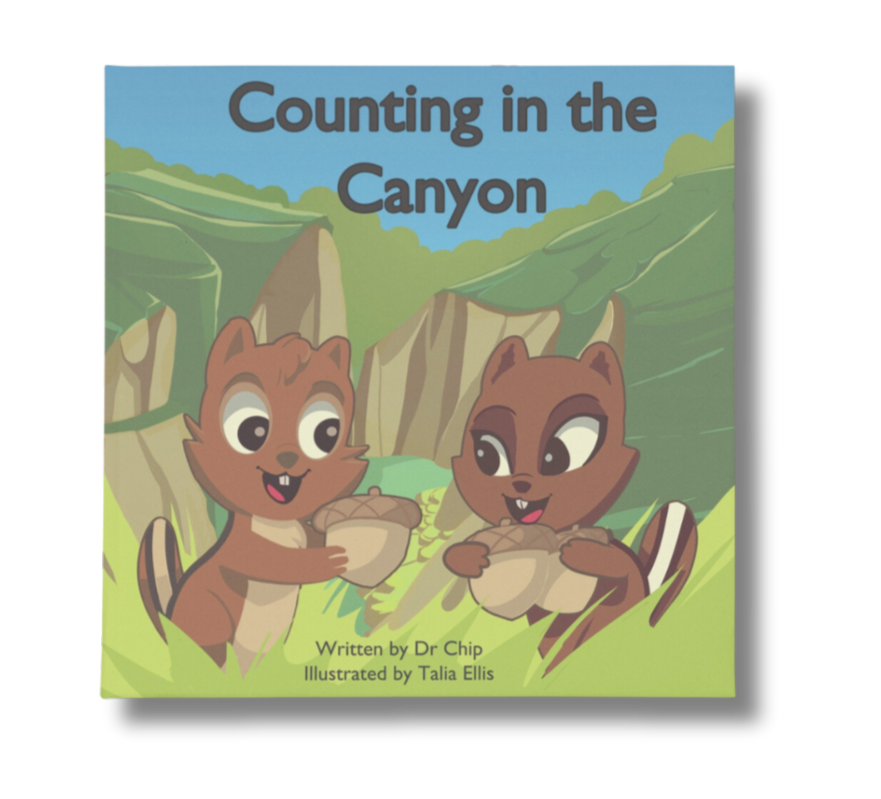
When the author behind "Counting in the Canyon" observes children discovering nature, they're not just collecting data. They're noticing the wonder in a child's eyes when spotting a lizard, the way little hands reach out to touch interesting textures, the questions that emerge when curiosity is sparked. These observations inform how the book guides children to count and observe, creating an experience that feels natural rather than didactic.
AI cannot observe children. It has never watched a preschooler's face light up with recognition when making connections between a story and their own life. It hasn't experienced the joy of reading a beloved book for the hundredth time to a child who requests it repeatedly because it meets some emotional need perfectly.
The feedback loop between real children and human authors creates books that truly serve children's developmental and emotional needs. Authors adjust their storytelling based on how actual children respond: what confuses them, what they love, what helps them process difficult concepts. This responsive refinement produces books that feel like they were written specifically for the children reading them.
Creating stories that authentically represent diverse experiences and traditions requires more than just knowing that different cultures exist. It requires genuine understanding, respect, and often lived experience within those cultures.
When "A New Home for Timothy Acorn" incorporated the tooth mouse tradition alongside the tooth fairy, this choice came from learning about real cultural practices and honoring the diverse traditions that families actually celebrate. This wasn't just adding variety for variety's sake. It was recognizing that children from different backgrounds deserve to see their own traditions reflected in the stories they read.
AI can be trained on diverse texts, but it cannot truly understand cultural nuance, the significance of traditions, or the responsibility that comes with representing experiences different from the dominant culture. It lacks the empathy required to navigate these representations respectfully.
Human authors can consult with communities, listen to feedback, and make thoughtful choices about representation. They can recognize when they're the wrong person to tell a particular story and step back in favor of authors with authentic connections to those experiences. AI has no such discernment. It simply generates based on patterns in its training data, which often reflects and amplifies existing biases.
Stories do more than entertain children. They help kids process emotions, understand difficult experiences, and feel less alone in their struggles. This therapeutic power requires genuine understanding of child psychology, emotional development, and the challenges children face.
When children encounter characters dealing with situations similar to their own, losing a home like Timothy Acorn, feeling scared about change, or navigating the milestone of losing teeth, these stories provide frameworks for understanding their own experiences. But this only works when the emotional journey feels authentic.
A child dealing with a family move needs more than just a story that mentions moving. They need a story written by someone who truly understands the complex emotions involved: the excitement mixed with loss, the hope tinged with fear, the process of learning to call a new place home. This nuanced emotional truth cannot be generated by algorithms.
Parents and educators choose books intentionally based on what children in their care are experiencing. A thoughtfully created book about change becomes a tool for helping children process their own transitions. These books work because human authors have created them with the specific intention of supporting children through difficult experiences, an intention AI cannot possess.
Creating children's books involves countless intentional choices that reflect values, priorities, and deep consideration of how children learn and grow. Every word, every illustration description, every narrative choice serves a purpose beyond just advancing the plot.
When an author chooses to have Timothy's tooth become loose during his adjustment to a new home, that's an intentional choice recognizing that children often face multiple changes simultaneously. It acknowledges that growing up is messy and complex, with many transitions happening at once.
These intentional choices come from years of thinking about childhood, development, and what children need from stories. They reflect the author's values about resilience, courage, and growth. AI makes no intentional choices. It generates text based on statistical likelihood, not thoughtful consideration of what will best serve young readers.
The revision process for authentic children's books often involves repeatedly refining language, structure, and content to ensure the final product serves children well. Authors work with editors, consult with children's literature experts, and sometimes test stories with actual children to ensure effectiveness. This iterative refinement process is driven by care for the audience, care that AI cannot feel.
The most powerful children's books don't exist in isolation. They connect to and extend children's real-world experiences. Books like "Counting in the Canyon" invite children to take their learning outdoors, to look for nature's wonders in their own environments, to connect the counting practice in the book with counting discoveries during nature walks.
This connection between stories and lived experience requires authors who understand how children learn and grow. They know that the best books become springboards for real-world exploration, conversation, and deeper understanding.
AI-generated stories might mention nature or outdoor activities, but they cannot create with the intentional goal of inspiring children to actually go outside and explore. They lack understanding of how experiences with books and experiences in nature can reinforce each other, building both literacy skills and resilience through nature connection.
Human authors create with children's whole development in mind, not just their reading skills but their emotional growth, social development, and connection to the world around them. This holistic approach to children's literature requires understanding children as complete, complex beings, something AI fundamentally cannot achieve.
Some of the most beloved children's books contain imperfections: slightly awkward phrasing, unexpected word choices, or narrative quirks that wouldn't survive AI's optimization for "correctness." But these imperfections often carry humanity and authenticity that perfectly polished AI-generated text lacks.
Human vulnerability shows up in authentic children's literature. Authors who write about difficult topics like loss, fear, change, or disappointment are often processing their own experiences or the experiences of children they love. This vulnerability creates emotional resonance that cannot be manufactured.
When an author shares stories that helped their own children through difficult times or books inspired by watching a child they love navigate challenges, that vulnerability and personal connection infuses the work with something intangible but powerful. Readers sense that these books were created by someone who genuinely cares about children's wellbeing.
AI has no vulnerability to share, no personal stake in children's wellbeing, no investment in creating something that helps rather than just entertains. It generates text without caring whether that text genuinely serves its readers.
When you read a human-authored book to your child, you're participating in a relationship that extends beyond your immediate family. You're connecting with the author's intention, values, and hopes for young readers. The author created this book with children like yours in mind, hoping to bring them joy, understanding, or comfort.
This relationship, though indirect, adds meaning to the reading experience. When you read "A New Home for Timothy Acorn" during your child's own transition, you're benefiting from an author's thoughtful creation of a tool specifically designed to help children in exactly this situation. That intentionality creates value beyond the words themselves.
AI has no relationship with readers. It has no hopes for the children who might read its output, no investment in their growth or wellbeing, no joy in knowing it helped a child feel less alone or more courageous.
The books we choose to share with our children represent our values and priorities. Choosing human-authored books over AI-generated content is choosing to value authentic human connection, lived experience, and the irreplaceable elements of heart and soul that make stories truly meaningful.
In an age where AI can generate seemingly endless content, supporting human authors becomes increasingly important. Every purchase of a thoughtfully created children's book is a vote for authentic storytelling over algorithmic generation.
When families invest in books like "A New Home for Timothy Acorn" and "Counting in the Canyon," they're supporting the continued creation of authentic children's literature. They're valuing the time, thought, care, and lived experience that human authors bring to their work.
Creating meaningful children's books is labor-intensive work that requires research, observation, emotional investment, countless revisions, and deep care for the audience. Authors don't just produce content. They create with intention, hoping to make children's lives richer, easier, or more joyful in some way.
This work deserves support and recognition. When we prioritize authentic human creation over AI-generated alternatives, we're protecting space for the kind of meaningful storytelling that has shaped childhood for generations.
AI will continue improving its ability to generate coherent, grammatically correct text. It will produce stories that technically function as narratives. But it will never create from a place of genuine emotion, lived experience, or authentic care for readers.
The stories that matter most to children, the ones that help them understand themselves and their world, will always require human hearts, human experiences, and human empathy. These irreplaceable elements cannot be automated, optimized, or generated by algorithms.
As AI becomes more prevalent, the distinction between authentic human creation and algorithmic generation becomes more important. Parents and educators need to actively choose books created by real people who genuinely care about children's wellbeing and development.
The books we share with children shape how they understand themselves and their place in the world. These formative stories deserve to be created by humans who bring genuine emotion, authentic experience, and real love to their work.
Additional Resources
For more information about authentic children's literature and literacy development:
While AI serves as a powerful tool for many purposes, it will never capture the essence of human heart, spirit, love, and creativity that makes children's literature truly meaningful. The stories that stay with us from childhood, the ones we remember decades later and share with our own children, are created by humans who poured their hearts into the work, drawing from real experiences and genuine care for young readers.
Looking for authentic, heart-centered children's books created with genuine care for young readers? "A New Home for Timothy Acorn" and "Counting in the Canyon" were created from real observations of children, authentic understanding of childhood development, and genuine desire to support families through both everyday moments and significant transitions. These books carry the irreplaceable elements of human creativity that AI simply cannot replicate.