Your basket is empty
Already have an account? Log in to check out faster.
Already have an account? Log in to check out faster.

Many parents assume that because baby teeth eventually fall out, they don't require the same level of care as permanent teeth. This misconception can have serious consequences for children's long-term dental health. The truth is that baby teeth play crucial roles in your child's development and directly impact the health of the permanent teeth waiting beneath the gums.
Understanding the vital connection between primary and permanent teeth helps parents make informed decisions about their children's oral health from infancy through childhood.
Baby teeth, also called primary teeth or deciduous teeth, begin emerging around six months of age and typically complete their arrival by age three. While these teeth are temporary, they serve essential functions that extend far beyond just chewing food.
Primary teeth act as placeholders, maintaining the proper spacing and alignment for permanent teeth developing beneath the gums. When baby teeth are lost prematurely due to decay or injury, neighboring teeth can shift into the empty space, creating crowding issues when permanent teeth try to emerge. This can lead to orthodontic problems requiring braces or other interventions later.
Baby teeth also play critical roles in speech development. Certain sounds require proper tooth placement—children learning to speak use their teeth to form sounds correctly. Premature loss of front baby teeth can affect speech patterns and require speech therapy to correct.
Additionally, primary teeth are essential for proper nutrition. Children need healthy teeth to chew a variety of foods necessary for growth and development. Dental pain or missing teeth can limit food choices, potentially affecting nutrition and overall health.
The connection between baby teeth and permanent teeth begins long before the first tooth becomes loose. Permanent teeth start forming in the jawbone while baby teeth are still in place. The roots of baby teeth actually help guide permanent teeth into their proper positions as they develop and prepare to emerge.
When baby teeth develop cavities, the bacteria causing decay can spread to developing permanent teeth beneath the gum line. Severe decay in baby teeth can damage the enamel of permanent teeth before they even emerge, leading to discoloration, weak enamel, or other developmental problems.
Infections in baby teeth pose particular risks to permanent teeth. An abscess or severe infection in a primary tooth can damage the permanent tooth bud developing underneath. In extreme cases, infections can even prevent permanent teeth from developing properly or cause them to emerge with defects.
The American Dental Association emphasizes that maintaining healthy baby teeth creates the foundation for healthy permanent teeth. Children who experience extensive decay in their primary teeth are more likely to develop cavities in their permanent teeth, establishing patterns of poor oral health that can persist into adulthood.
Understanding when teeth develop and emerge helps parents appreciate why care at every stage matters. Baby teeth typically begin falling out around age six, though this timeline varies considerably among children. The process usually continues until around age twelve when most children have lost all their primary teeth.
However, permanent teeth begin forming much earlier. First permanent molars—the "six-year molars"—emerge behind the last baby teeth around age six. These important teeth are permanent from the start and never replace baby teeth. Many parents don't realize these molars have arrived because they don't replace existing teeth, making them vulnerable to neglect and decay.
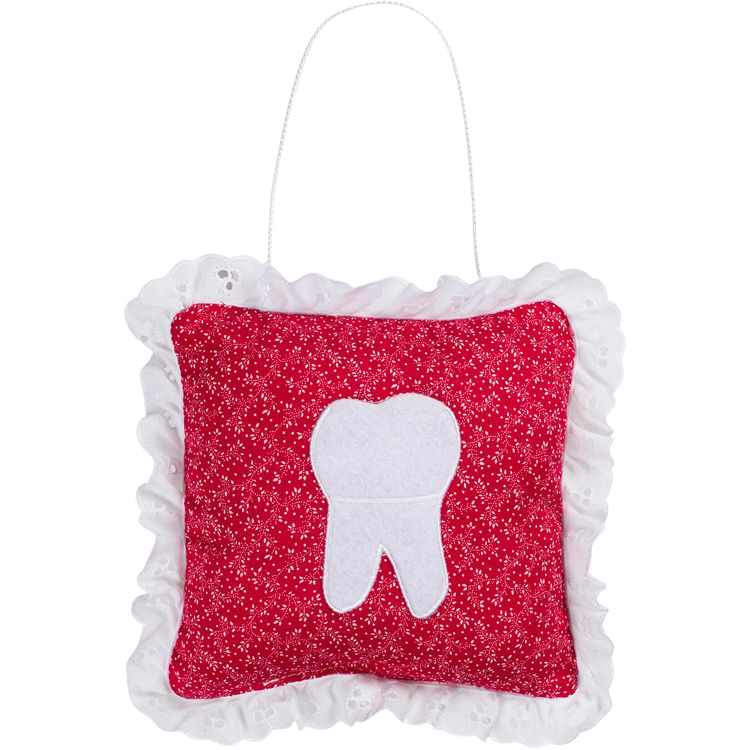
The front baby teeth typically fall out first, usually between ages six and seven. Many families celebrate these first lost teeth with tooth fairy traditions that make the experience magical rather than scary. Having a special tooth fairy pillow ready can help children feel excited about this milestone rather than anxious about the changes happening in their mouths.
Understanding what to expect when your child loses their first tooth helps parents support their children through this transition while reinforcing good oral hygiene habits that will protect the emerging permanent teeth.
Several dental issues that manifest in permanent teeth actually have their roots in baby tooth problems. Early childhood caries, sometimes called baby bottle tooth decay, can severely damage baby teeth and create conditions that affect permanent teeth.
This condition often develops when children frequently consume sugary liquids from bottles or sippy cups, especially at bedtime. The prolonged exposure to sugars feeds bacteria that produce acids, leading to rapid and extensive decay. If left untreated, this decay can damage developing permanent teeth and require extensive dental work.
Thumb sucking and pacifier use beyond age three can affect both baby teeth alignment and the development of permanent teeth. These habits can change the shape of the palate and the position of emerging teeth, potentially requiring orthodontic intervention later.
Premature loss of baby teeth due to decay or injury creates spacing problems that affect permanent teeth alignment. When a baby tooth is lost significantly before its natural time to fall out, adjacent teeth may drift into the empty space. This makes it difficult or impossible for the permanent tooth to emerge in its proper position.
Conversely, baby teeth that don't fall out on schedule can cause problems too. Sometimes primary teeth become "over-retained," failing to loosen and fall out when the permanent tooth is ready to emerge. This can cause permanent teeth to come in crooked or in abnormal positions, requiring orthodontic correction.
The habits children develop around their baby teeth directly influence their lifelong approach to oral health. Children who learn to brush and floss properly while they still have primary teeth are more likely to maintain these habits when permanent teeth arrive.
Start oral hygiene even before the first tooth emerges. Wiping babies' gums with a clean, damp cloth after feedings removes bacteria and establishes oral care as part of daily routines. When teeth begin appearing, use a small, soft-bristled toothbrush with a tiny smear of fluoride toothpaste.
As children grow, gradually increase their involvement in tooth brushing while maintaining parental supervision. Most children don't develop the dexterity needed for effective brushing until around age seven or eight. Even children who brush independently should have parents check their work and help with thorough brushing at least once daily, typically at bedtime.
The American Academy of Pediatric Dentistry recommends that children visit the dentist by their first birthday or within six months of the first tooth appearing. These early visits establish the dental home, allow dentists to monitor development, and help children become comfortable with dental care before problems develop.
Regular dental checkups become even more critical during the mixed dentition stage when children have both baby teeth and permanent teeth. Dentists monitor the transition, identify potential problems early, and provide preventive treatments like sealants that protect newly emerged permanent teeth.
What children eat affects both their baby teeth and the permanent teeth developing beneath the gums. Calcium and vitamin D are essential for strong tooth enamel formation. Children need adequate amounts of these nutrients while permanent teeth are developing, not just after they emerge.
Phosphorus, found in protein-rich foods, also contributes to strong teeth and bones. Vitamin C supports healthy gum tissue, which is essential for both baby teeth and the permanent teeth waiting to emerge.
Limiting sugary foods and drinks protects baby teeth from decay while also supporting the healthy development of permanent teeth. Frequent snacking on sugary or starchy foods creates an environment where cavity-causing bacteria thrive, potentially affecting both existing baby teeth and developing permanent teeth.
Encourage water drinking throughout the day, especially between meals and snacks. Water rinses away food particles and helps maintain healthy pH levels in the mouth. For children in areas without fluoridated water, dentists may recommend fluoride supplements to support strong enamel development.
How children experience dental care during their baby teeth years significantly influences their attitudes toward dental health throughout life. Negative early experiences can create dental anxiety that persists into adulthood, leading to avoidance of necessary care.
Making tooth loss a positive experience through tooth fairy traditions helps children associate dental changes with excitement rather than fear. When children feel celebrated rather than anxious about losing teeth, they're more likely to communicate about dental concerns and maintain positive attitudes toward oral health.
Similarly, regular positive dental visits during the primary teeth years establish comfort with dental care that continues when permanent teeth arrive. Choose a pediatric dentist experienced in working with young children and creating positive experiences.
Prepare children for dental visits by reading books about dentists, explaining what will happen in age-appropriate terms, and staying calm and positive yourself. Children pick up on parental anxiety, so managing your own feelings about dental care helps children stay relaxed.
When permanent teeth begin emerging, they require special attention and care. Newly emerged permanent teeth have softer, more porous enamel than mature teeth, making them particularly vulnerable to decay during the first few years after emergence.
Dental sealants provide valuable protection for permanent molars. These thin plastic coatings are painted onto the chewing surfaces of molars, filling in the deep grooves where food particles and bacteria accumulate. Sealants significantly reduce cavity risk and are most effective when applied soon after permanent molars emerge.
Fluoride treatments at the dentist's office provide additional protection for newly emerged permanent teeth. Professional fluoride applications strengthen enamel and help teeth resist decay. Most pediatric dentists recommend fluoride treatments every six months during childhood.
Some children experience discomfort as permanent teeth emerge. The teeth pushing through gums can cause soreness, though this is usually mild and temporary. If children complain of significant pain or you notice swelling, redness, or other concerning symptoms, contact your dentist for evaluation.
Occasionally, permanent teeth emerge before baby teeth fall out, creating a "shark tooth" appearance with two rows of teeth. This usually resolves on its own as the baby tooth loosens and falls out, but your dentist should monitor the situation to ensure proper development.
Sometimes baby teeth don't loosen and fall out when expected, even when permanent teeth are ready to emerge. This over-retention can occur for various reasons, including lack of a permanent tooth developing underneath, ankylosis (where the tooth fuses to the bone), or simply individual variation in development.
If a permanent tooth is trying to emerge but the baby tooth remains firmly in place, dentists may recommend extraction to prevent the permanent tooth from coming in crooked or in an abnormal position. Early intervention prevents more complex orthodontic problems later.
Conversely, some children lose baby teeth earlier than expected due to injury or decay. When this happens, dentists may recommend space maintainers—devices that hold the space open until the permanent tooth is ready to emerge. These prevent neighboring teeth from drifting and creating crowding problems.
California has excellent resources for children's dental health. The California Dental Association provides educational materials for parents about pediatric oral health and can help families find qualified pediatric dentists in their area.
Many Southern California counties offer dental programs for children through county health departments. These programs often provide preventive services including cleanings, fluoride treatments, and sealants for children who qualify.
Dental schools including UCLA School of Dentistry and USC Herman Ostrow School of Dentistry offer reduced-cost dental care provided by dental students under faculty supervision. These can be excellent options for families needing affordable dental care.
Several Southern California children's hospitals have pediatric dental departments that specialize in treating children with special needs or complex dental issues. These facilities provide comprehensive care with expertise in managing dental care for children with medical conditions or developmental differences.
The care given to baby teeth creates ripple effects that extend far into the future. Children who maintain healthy baby teeth are significantly more likely to have healthy permanent teeth. The habits, attitudes, and oral health status established during the baby teeth years set the trajectory for lifelong dental health.
Investing time and effort in proper care of baby teeth isn't just about the present—it's about setting your child up for a lifetime of healthy smiles. Every brushing session, dental visit, and healthy food choice during the baby teeth years contributes to the foundation for strong, healthy permanent teeth.
The American Dental Association emphasizes that preventing problems in baby teeth is far more effective and less expensive than treating problems in permanent teeth later. Good oral health habits established early become natural routines that children carry into adulthood.
Additional Resources
For more information about children's dental health:
Baby teeth matter far more than their temporary nature might suggest. These primary teeth protect the spaces for permanent teeth, support proper jaw development, enable clear speech, and allow children to eat nutritious foods necessary for growth. Most importantly, the care given to baby teeth establishes patterns and creates conditions that directly affect the health of permanent teeth for life.
Looking to make losing baby teeth a positive, exciting experience? Our tooth fairy pillows create special traditions around this important milestone. When children feel celebrated rather than anxious about losing teeth, they develop positive attitudes toward dental health that support lifelong oral hygiene habits.