Your basket is empty
Already have an account? Log in to check out faster.
Already have an account? Log in to check out faster.

Creating children's books has taught me more than I ever expected.
When I first started writing, I thought I was simply crafting stories for kids. But along the way, I discovered something much deeper, these books became a way to honor the small moments that hold childhood's deepest magic, and to give families tools to connect in ways that truly matter.
I started to notice the difference between kids who had parents read to them and those who didn't. Family bonding is a big deal. Time together without screens matters a whole heck of a lot. Connection always wins over distraction. The stories make the kids feel seen. They develop interest in the world around them and empathy for others.
Watching this unfold made me realize that picture books do more than entertain, they create bridges between parents and children, offering shared experiences that strengthen relationships in ways nothing else quite can.
Picture books are often the very first window into the world of art for our kids. I am always working to reduce word count and keep the vocabulary basic, but the truth is that kids learn a lot of vocabulary through picture books. Being exposed to more words directly affects future success. Kids learn to focus and concentrate at a young age in a way that they think of as fun. Picture books help with attention and language.
What surprised me most was discovering that picture books can be healing for the parents reading them to their kids. There's something about slowing down to share a story, seeing the world through your child's eyes, and participating in their wonder that restores something in us as adults.
My mom made it really fun to lose teeth when I was growing up. As I got older, I knew that the Tooth Fairy was really just my mom making a simple celebration out of me losing my teeth. She kept all my teeth too, and that was interesting when I saw them much later! But what mattered wasn't whether the tooth fairy was "real." What mattered was that my mom took these small milestones and turned them into moments of magic and celebration.
I wanted to create that same opportunity for other families. Losing teeth is one of childhood's most universal experiences, and it deserves to be honored in ways that make children feel special and excited about growing up.
Kids dream and imagine. Sometimes adults don't put the same attention onto their dreams and imagination because we get jaded. Children see possibility everywhere: a stick becomes a wand, a space under the trees transforms into a secret hideout, an acorn holds an entire story.
Writing for children has required me to remember how to see the world this way again. It's made me more patient, more creative, and more connected to what truly matters. When you write for kids, you can't be cynical. You have to believe in magic, even the everyday kind.
I was happily surprised when I noticed that the kids felt bad for Timmy when he lost his home, that they were surprised like he was when his tooth fell out, and I was so happy that they were looking forward to their own encounter with the tooth fairy. They were worried for him and excited for him.
Watching children connect emotionally with Timothy showed me that the story was resonating in the way I'd hoped. They weren't just hearing a story about a chipmunk—they were processing their own feelings about change, loss, and new beginnings through Timothy's experience. That's when I understood the real power of what I was creating.
After I wrote the first book, I heard a lot about the Mouse. Some families and cultures celebrate a Mouse who comes to get their tooth instead of a fairy. I studied about that tradition and it became important to rewrite the story to include the Mouse. I wanted the books to honor different cultural traditions and make more families feel included in the magic.
This taught me that children's literature has a responsibility to reflect the diverse world kids actually live in. When children see their own traditions represented in stories, they feel valued and seen in ways that matter deeply.
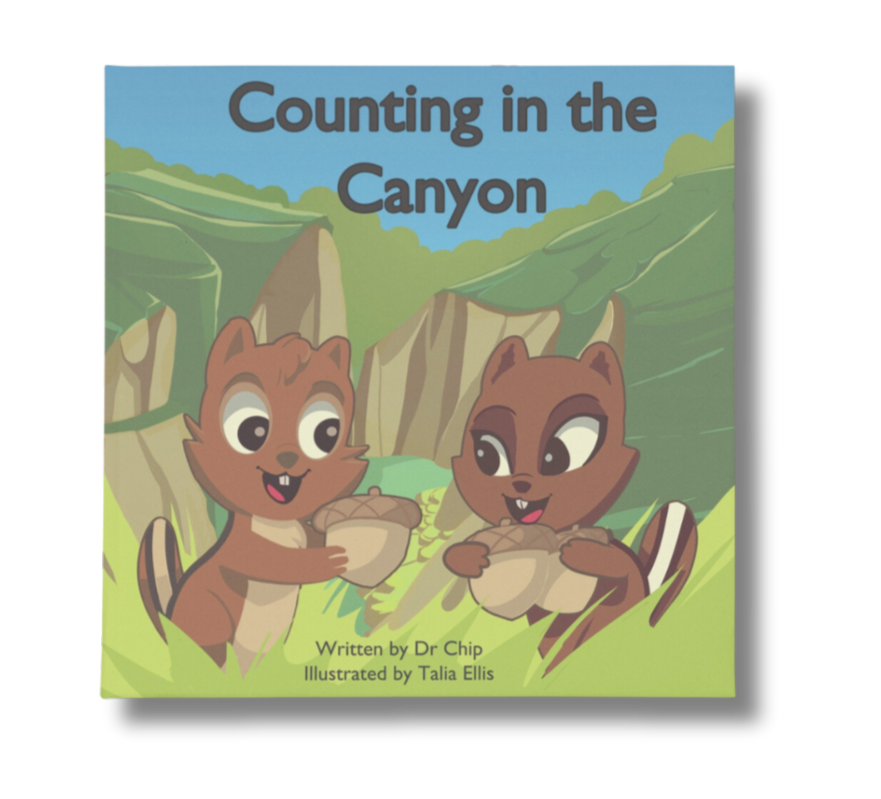
After watching the kids interact with the first books, it was easier for me to imagine them as I was writing and thinking of concepts that they might like. I saw how books become part of their conversation and thinking. A child who read about Timothy Acorn would reference him during nature walks or talk about the canyon while counting things they found outside.
This showed me that stories don't end when you close the book. They become part of how children understand and interact with their world. That realization changed how I approach writing, I'm not just creating a reading experience, I'm offering tools for making sense of life.
I really hope that parents might get as much joy out of reading the books as their kids. I really want to write a book that parents don't mind reading again and again as their little one grows and continually sees the world through new eyes.
These stories are meant to create connection between parents and children, not just entertain. When a parent and child can discuss Timothy's bravery or count discoveries together in the canyon, that's when the real magic happens. The book becomes a shared language, a way to explore big concepts like change, courage, and belonging together.
Kids have taught me that small moments hold the deepest magic, and when I slow down to honor them, I become more patient, more creative, and more connected to what truly matters. They've reminded me to see wonder in ordinary things—a loose tooth, an acorn, a new place to explore.
Writing these books has been as much about my own growth as it has been about creating something for children. Every time I see a child connect with Timothy's story or get excited about counting in the canyon, I'm reminded why this work matters. We're not just making books—we're creating moments of connection, wonder, and love that families will carry with them.
The Rolling Acorn Canyon series celebrates the natural world, the adventure of growing up, and the comfort of finding where you belong. Through characters like Timothy Acorn, young readers explore themes of change, bravery, discovery, and resilience—all wrapped in stories that honor childhood's simple magic.
Whether families are reading "A New Home for Timothy Acorn" to help a child process a big change or using "Counting in the Canyon" to spark curiosity about nature, these books are designed to create meaningful moments. They're meant to be read again and again, revealing new layers as children grow and their understanding deepens.
That's my hope for every family who welcomes these stories into their homes, that they find not just entertainment, but tools for connection, conversation, and celebrating the magical everyday moments that make childhood so precious.
Additional Resources
For more information about children's literature and family reading:
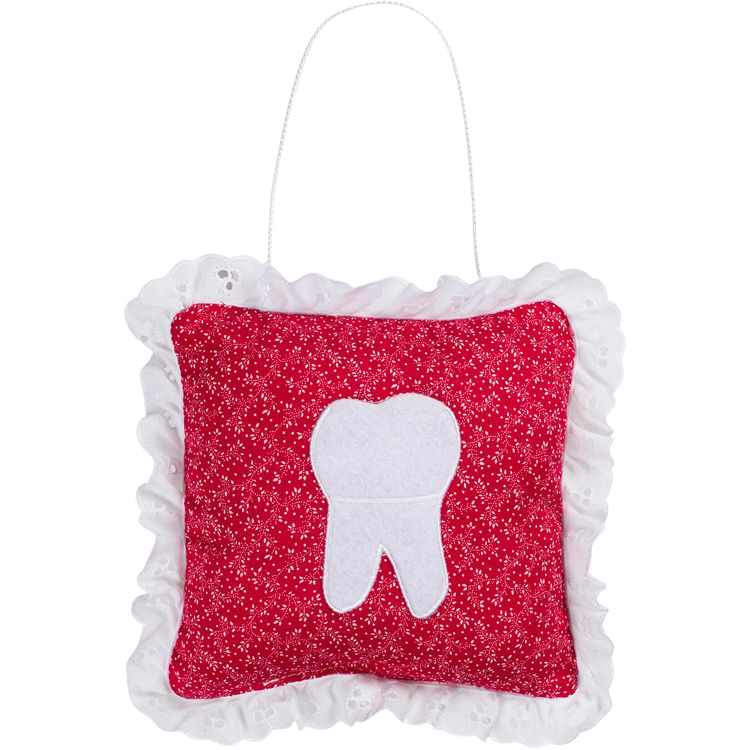
Explore the Rolling Acorn Canyon series including "A New Home for Timothy Acorn" and "Counting in the Canyon." Perfect for creating meaningful family moments and celebrating the magic of growing up. Don't forget to check out our tooth fairy pillows to make the tooth losing milestone even more special.